From First Yes to Reorder: How Food Brands Win After Retail
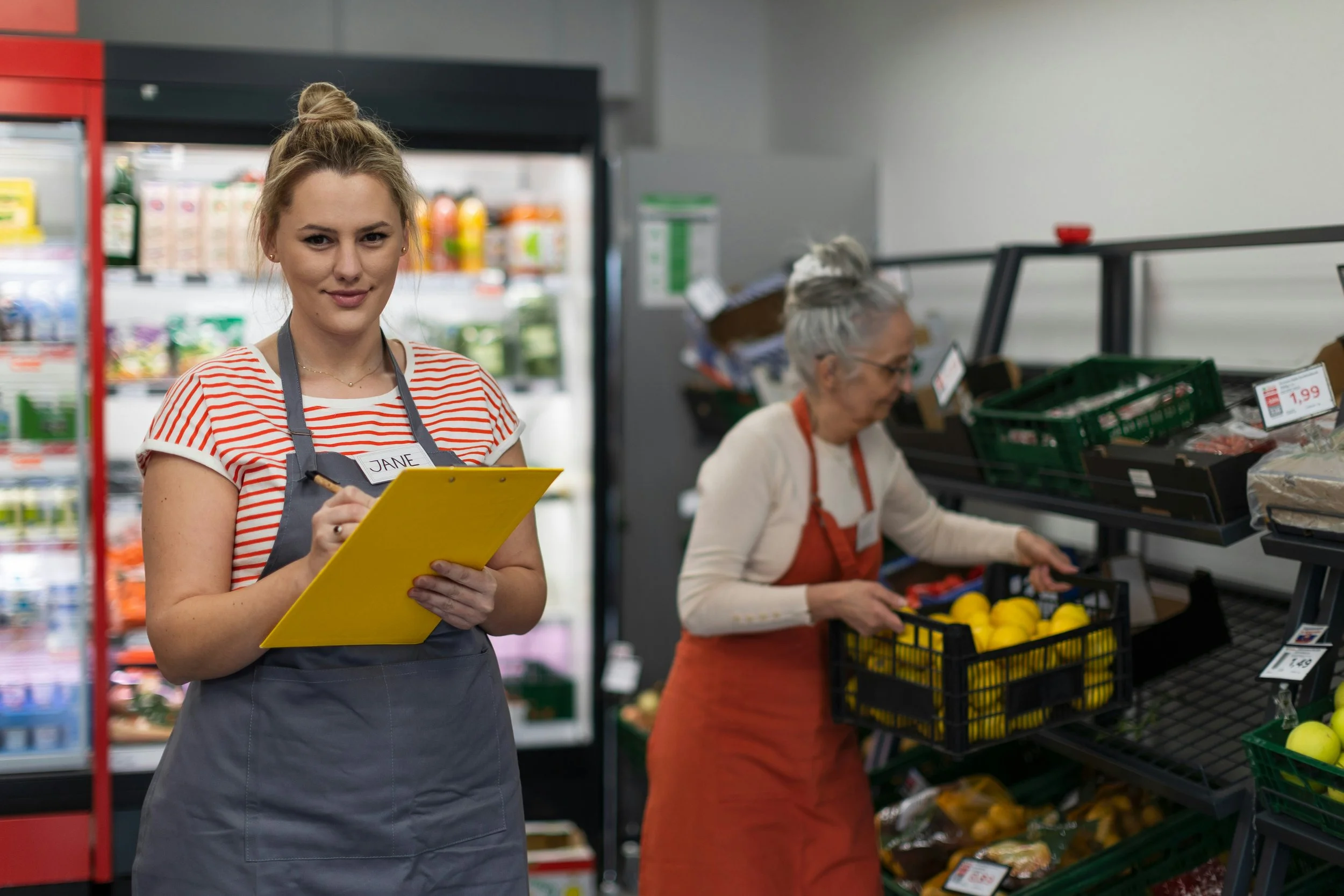
Food brands win after retail authorization by focusing on execution, velocity, and consistent follow-through. Reorder velocity, not initial placement, determines long-term retail success.
For many food brands, the first yes feels like the hard part.
You pitched. You followed up. You got approved. Your product is officially authorized.
Then reality sets in.
Authorization doesn’t guarantee movement. It doesn’t protect shelf space. And it certainly doesn’t guarantee reorders. The brands that grow are the ones that treat authorization as the starting line, not the finish.
Why Authorization Is Only the Beginning
Retail buyers say yes based on potential. They judge brands based on performance.
Shelf Space Is Earned After Placement
Once your product hits the shelf, buyers start watching:
Sales velocity
Store-level execution
Distributor engagement
Responsiveness from the brand
Early performance shapes how much patience you’ll get later.
Velocity Is the Metric That Matters Most
Retailers don’t need perfection. They need movement.
Reorders Are the Real Signal
A reorder tells a buyer and distributor:
The product is moving
The store manager sees value
The brand is supporting execution
Without reorders, authorization becomes temporary.
Execution Drives Velocity
Velocity rarely happens by accident.
What Strong Execution Actually Looks Like
Winning brands focus on:
Proper placement and visibility
Store-level follow-up
Distributor communication
Sampling or promotional support
Quick adjustments when things aren’t working
Execution closes the gap between interest and consistent sales.
The First 90 Days Matter More Than You Think
Early momentum sets expectations.
Early Wins Buy Time and Trust
Brands that show movement early earn:
More distributor attention
Flexibility from buyers
Better positioning during resets
Brands that don’t often lose shelf space before they understand what went wrong.
Where Most Brands Lose Momentum
The breakdown usually isn’t strategy. It’s follow-through.
Common issues include:
No ownership after placement
Inconsistent store visits or follow-up
Poor communication with distributors
Assuming the product will sell itself
Retail doesn’t reward assumptions. It rewards presence.
How Strong Sales Support Changes Outcomes
Brands with dedicated sales support don’t disappear after authorization.
They stay engaged. They track performance. They communicate. When velocity slows, they respond instead of hoping it improves.
That consistency is what turns initial wins into sustainable revenue.
Reorders Create Leverage for Expansion
Velocity does more than protect existing doors.
Movement Opens the Next Conversation
Strong reorder data makes it easier to:
Expand within a chain
Enter new regions
Gain distributor buy-in
Negotiate better positioning
Reorders create proof. Proof creates leverage.
Final Thought
Retail authorization is an opportunity, not a guarantee.
The brands that win understand that the real work starts after the first yes. Execution creates velocity. Velocity creates reorders. Reorders create growth.
If your product is authorized but not reordering the way it should, the gap is almost always execution. Let’s walk through what’s happening after placement and identify where momentum is breaking down before shelf space disappears.